
Key Takeaways
- Custom store fixtures help shape brand perception by creating retail environments that communicate quality, consistency, and customer experience from the moment shoppers enter the space.
- Successful fixture programs combine multiple fixture types such as wall systems, display cases, gondolas, counters, endcaps, and branded displays to create cohesive retail environments.
- Material selection plays a critical role in fixture durability, aesthetics, functionality, and long-term ROI, with common materials including wood, metal, glass, acrylic, wire, and solid surface.
- The custom store fixture process includes project kickoff, design and engineering, manufacturing, logistics, warehousing, delivery, and installation, requiring close collaboration between retailers and manufacturing partners.
- Choosing the right fixture manufacturer depends on experience, in-house engineering capabilities, manufacturing scale, value engineering expertise, and the ability to manage logistics and installation across large retail rollouts.
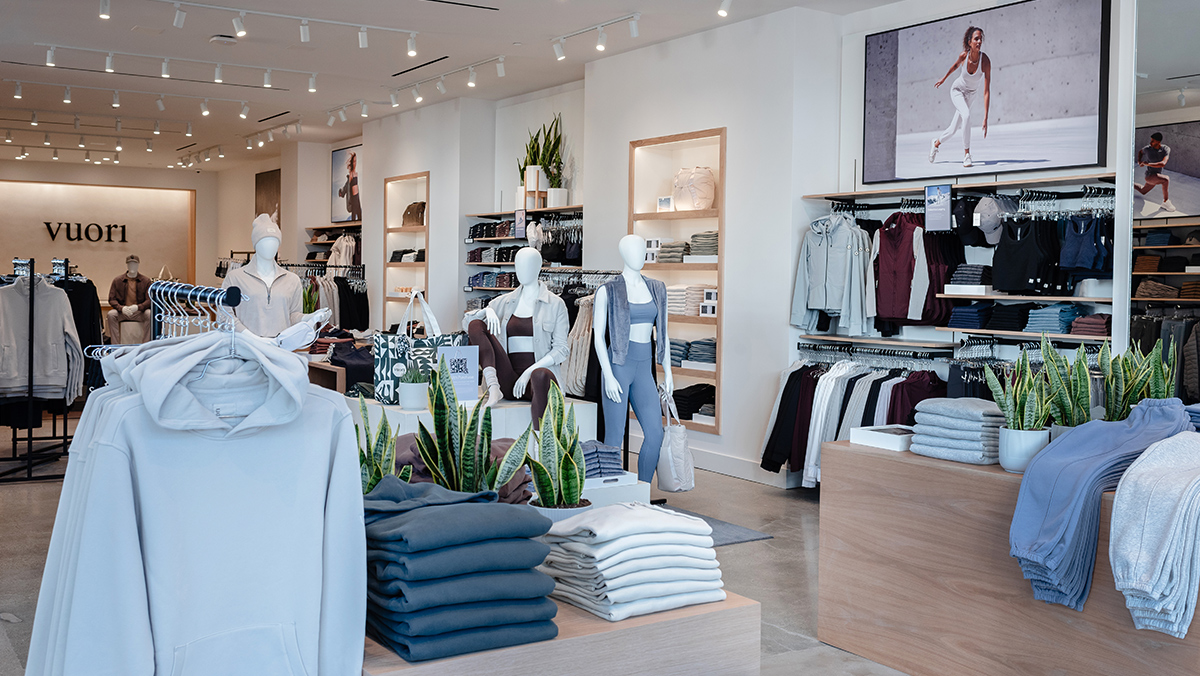
What does a retail environment communicate about a brand before a customer touches a single product? In the competitive landscape of modern retail, the fixture environment is the brand, not an afterthought. From the moment a shopper enters a space, the physical structures surrounding them set expectations. Custom store fixtures act as the silent ambassadors of a brand’s identity, signaling quality, investment, and attention to detail.
The fixture environment sets shopper expectations before anything is purchased. Worn, dated, or poorly fitted fixtures signal neglect, potentially devaluing the merchandise they hold. Conversely, thoughtfully designed custom fixtures signal a brand that invests in the experience, creating a cohesive narrative that resonates with the consumer.
Whether the need is fixtures for a single new store, a comprehensive remodel of existing locations, or a large-scale national rollout, this guide explains what to know and what to look for in a manufacturing partner. It explores what store fixtures are, the types available, how materials are selected, how the manufacturing process works, which verticals rely on them most, and how to evaluate the right partner.
Table of Contents
- What Are Custom Store Fixtures?
- Types of Store Fixtures
- How the Custom Store Fixture Process Works
- Retail Verticals That Rely on Custom Store Fixtures
- How to Choose a Custom Store Fixture Manufacturer
- Why Retail’s Leading Brands Choose Agility Retail
- FAQs
What Are Custom Store Fixtures?
Custom store fixtures are purpose-built retail structures including semi-permanent and permanent counters, end-cap displays, shelving systems, platforms, risers, pedestals, freestanding floor units, and display cases. Unlike off-the-shelf solutions, these are engineered to meet specific brand standards and functional requirements.
Agility Retail works with a diverse range of materials including wood, metal, acrylic, solid surface, glass, and wire to create custom fixture solutions that align with each retailer’s brand aesthetic and operational needs. By utilizing varied materials, retailers can achieve specific design goals while ensuring the structural integrity of their store fixtures. Explore our Store Fixture Materials Guide to learn more.
When evaluating the ROI of a fixture program, reconfigurability and longevity are primary factors. High-quality custom fixtures are investments, built to withstand high-traffic environments and adapt to changing seasonal needs over several years. Custom fixtures are designed through a process, and the sections below walk through every part of it.
Types of Store Fixtures
Custom fixture programs typically include several fixture categories working together, not a single unit. Retailers build environments, not single displays, ensuring that every element from the perimeter to the center floor serves a cohesive purpose.
Wall Systems and Perimeter Fixtures
These fixtures maximize vertical space and define the boundaries of the shopping environment. They often include integrated shelving, hang rails, or recessed standards that allow for flexible merchandising along the store’s interior walls.
Freestanding Floor Units
Designed to sit in the open areas of a store, these units — such as nested tables, four-way racks, and gondolas — direct foot traffic and highlight key merchandise. Because they are visible from all sides, they require high-quality finishes across every surface. They are also often called loose fixtures.
Display Cases and Counters
Often used for high-value or delicate items, these fixtures combine security with visibility. They typically feature glass or acrylic components and may include integrated lighting to draw attention to specific products.
Countertop Displays
Small-scale fixtures designed for point-of-purchase areas or on top of larger fixtures. These are critical for driving impulse buys and organizing smaller SKUs near the cash wrap.
Gondola-Style Shelving
While many retailers use stock gondolas, Agility Retail specializes in custom-built versions. These offer the heavy-duty utility of traditional shelving but with custom finishes and dimensions that align with a specific brand’s look and feel.
Millwork-Integrated Fixtures
These fixtures are built directly into the store’s architectural millwork. This category includes custom cabinetry, cash wraps, and service counters that feel like a permanent part of the building’s interior design.
Endcaps
Positioned at the end of an aisle, endcaps are high-visibility zones used for promotions or new product launches. Custom endcaps are engineered to fit perfectly with existing aisle systems while standing out visually to catch the shopper’s eye.
Specialty and Branded Fixtures
These are unique structures designed for a specific product or brand activation. They often involve complex shapes or unique material combinations to create a shop-in-shop feel within a larger retail footprint.
How the Custom Store Fixture Process Works
The process is what separates a capable manufacturing partner from a vendor. A true partner is invested in the outcome regardless of who holds the design pencil, ensuring that the final product is as functional as it is beautiful.
Project Kickoff
The process begins with a full team project download with the client. This stage is dedicated to understanding brand standards, space requirements, budget, and overall program scope and objectives. Clear communication here prevents costly pivots later in the cycle.
Design and Engineering
Whether working from the client’s existing design or developing concepts from scratch, Agility Retail provides one or more initial design concepts. The team works through feedback and produces 3D models and renderings before moving to SolidWorks engineering drawings for client approval. Value design and engineering are applied at every stage, focused on making the product perform better, manufacture more cost-effectively, and install more efficiently.
Manufacturing
Agility Retail maintains a robust manufacturing footprint to ensure quality and speed. This includes domestic production across multiple U.S. facilities with wood, metal, solid surface, glass, and acrylic capabilities. For programs requiring different economic scales and timelines, Agility Retail also utilizes overseas and nearshoring production through more than 25 manufacturing partners.
Project Management Through Delivery
Dedicated project management teams manage the entire program from kickoff to delivery. This is the throughline of the process, not a separate phase. These managers ensure that timelines are met, quality standards are maintained, and communication remains fluid between all stakeholders.
Warehousing, Fulfillment, Logistics, and Installation
Consolidation, assembly, packing, and direct-to-store delivery are available as part of Agility Retail’s fulfillment services. Strategic nationwide locations support full chain rollouts and regional distribution. Finally, installation services are managed with a combination of full-time employees and a nationwide network of installation crews to ensure the fixtures are set up perfectly on-site.
Complex projects take weeks or even months to design and engineer. The right manufacturing partner gets involved early. Buyers who treat fixtures as a late-stage procurement decision miss the best outcome, as early involvement allows for better value engineering, logistical planning, and warehousing and fulfillment.
Retail Verticals That Rely on Custom Store Fixtures
While custom fixture programs share common processes and materials, each retail vertical has specific requirements driven by merchandise type, customer behavior, and brand environment.
| Vertical | Typical Fixture Focus | Key Requirements |
| Specialty Retail | Modular merchandise fixtures, display cases, shelving and wall systems, cash wraps | Exact brand standards, visual consistency across 100+ locations, premium finish |
| Big Box Retail | Department-level fixture programs, aisle systems, gondola-style shelving, cash wraps | Scale, planogram compliance, SKU complexity, load capacity |
| Off-Price / Discount | Freestanding floor fixtures, bulk display tables, racking and wall systems, cash wraps | Volume capacity, flexibility for changing merchandise mix, durability, affordability |
| Grocery / Drug | Perimeter millwork, product displays, inline displays, pharmacy and service counters, cash wraps | Hygiene compliance, refrigeration adjacency, high-traffic durability |
| Convenience / C-Store | Perimeter shelving, food and beverage service fixtures, cash wraps | Small footprint, high-velocity merchandise, ease of restocking, impulse purchase fixtures |
| Restaurants / QSR | Order counter, beverage stations, menu display structures, back of house fixtures | Food-safe materials, durability, brand consistency across locations |
| Fashion Retail | Apparel and accessories fixtures, wall systems, display tables, platforms/risers, fitting rooms, millwork, cash wraps | Brand environment, flexible (modular) configurations for seasonal resets, premium materials |
| Department Stores | Shop-in-shop environments, perimeter millwork, apparel and accessories fixtures, cash wraps | Multi-brand coordination, premium finish, fast rollout across large footprints, high-capacity fixtures |
| DIY / Home Improvement | Specialty category displays, aisle systems, endcaps, interactive product fixtures | Planogram compliance, heavy load capacity, product demonstration integration |
| Consumer Brands | Semi-permanent and permanent POP fixtures, endcaps, branded merchandisers | Brand differentiation at shelf, retailer compliance requirements, speed to market |
How to Choose a Custom Store Fixture Manufacturer
Choosing a partner is a critical business decision. The following criteria provide an objective framework for evaluating potential manufacturers.
1. Experience and Specialization
Does the manufacturer have a proven track record in your specific vertical and at the scale you need? Experience in grocery looks different from experience in specialty retail or off-price. Ask for reference accounts in your sector and look at store counts, not just marquee client names, to ensure they can handle your specific volume.
2. Design and Engineering Capability
Does the manufacturer have in-house design and engineering teams, or do they rely on outside firms? In-house capability means the design and production teams are working together from the start, which is where value engineering happens and where programs move faster. Tight coupling between design/engineering, prototyping, and manufacturing improves efficiency and reduces costs.
3. Manufacturing Footprint
Can they produce at the volume you need, on the timeline required? For national rollouts, domestic multi-facility production is a significant advantage over single-plant or import-only suppliers. Confirm capacity against your specific rollout schedule and ensure they have material breadth. Programs that mix wood, metal, and glass need a partner with in-house capability across all material families. Vertically integrated manufacturers who own the means of production generally offer favorable economics and great control over quality.
4. Value Engineering Capability
The best manufacturers do not just build what you spec, they improve it. Value engineering reduces costs in production, logistics, and installation without compromising the design or intended function. It requires deep manufacturing knowledge and should happen at the design stage, not after production begins.
5. Logistics and Installation
A manufacturer who hands off at the dock creates coordination risk. Full-service partners who manage warehousing, direct-to-store delivery, and installation reduce the number of vendors you are managing and the number of handoff points where something can go wrong.
Treat this like any major capital partnership. Evaluate the team and the relationship, not just the quote. The best programs are built over time through flexibility, problem-solving, and a service-oriented mindset.
Why Retail’s Leading Brands Choose Agility Retail
Retailers choose Agility Retail because they need a partner that can scale with their ambitions while maintaining a boutique level of attention to detail.
- Scale: Agility Retail offers 800,000+ sq ft of manufacturing and warehousing across seven facilities, providing comprehensive Midwest, East, and West Coast coverage.
- Experience: With nearly 50 years in retail fixture manufacturing, Agility Retail maintains long-term relationships with brands like TJX, Kohl’s, Lowe’s, Dollar Tree, and Wayfair. Recent growth, including five acquisitions in three years, ensures Agility Retail is a partner built to handle programs that span years, not quarters.
- Speed: Agility Retail provides rapid prototyping and has value engineering built into the DNA of every program, ensuring ideas move from the screen to the floor quickly.
- Full-Service Capability: Design, engineering, manufacturing, warehousing, logistics, and installations are all managed under one roof, providing a seamless end-to-end experience.
- Material Breadth: Proficiency in wood, metal, solid surface, glass, plastic, and wire allows for limitless design possibilities without the need for secondary vendors.
Ready to create a retail environment that elevates your brand and drives results?
From single-store concepts to nationwide rollouts, Agility Retail partners with leading brands to design, engineer, manufacture, and install custom fixture programs built for performance at scale.
Connect with our team to discuss your next project and discover how the right fixture strategy can transform the customer experience.
FAQs
Are custom store fixtures worth the investment compared to stock products?
This is a business case rather than a lifestyle choice. While custom fixtures may have different upfront costs and timelines, they are not necessarily more expensive per unit if the volume is sufficient. The return comes from fit: a fixture engineered for specific merchandise, exact floor dimensions, and a defined brand environment performs better than a stock unit. For retailers operating at scale, the compounding effect matters, as consistent fixtures across 100+ locations drive brand recognition and reduce variability. Furthermore, custom fixtures create an emotional connection between shoppers and brands, which directly drives purchasing behavior.
How long does a custom store fixture program take?
Timeline varies by program complexity. Straightforward single-material programs can move from kickoff to delivery in 10–14 weeks. Complex multi-material programs with full design development, prototype approval, and engineering review typically run 16–24 weeks or longer. The single biggest lever on timeline is how early the manufacturing partner gets involved.
What should I have ready before engaging a fixture manufacturer?
To facilitate a productive first conversation, store planning and store design leads should prepare brand standards documentation, existing planograms or space plans, and details on the merchandise the fixtures will hold. A site survey and any permitting needs can be completed by the retailer or the fixture partner in advance. Additionally, having a clear store count, rollout schedule, material preferences, sustainability requirements, and budget will help the manufacturer move faster from kickoff to accurate pricing and design.